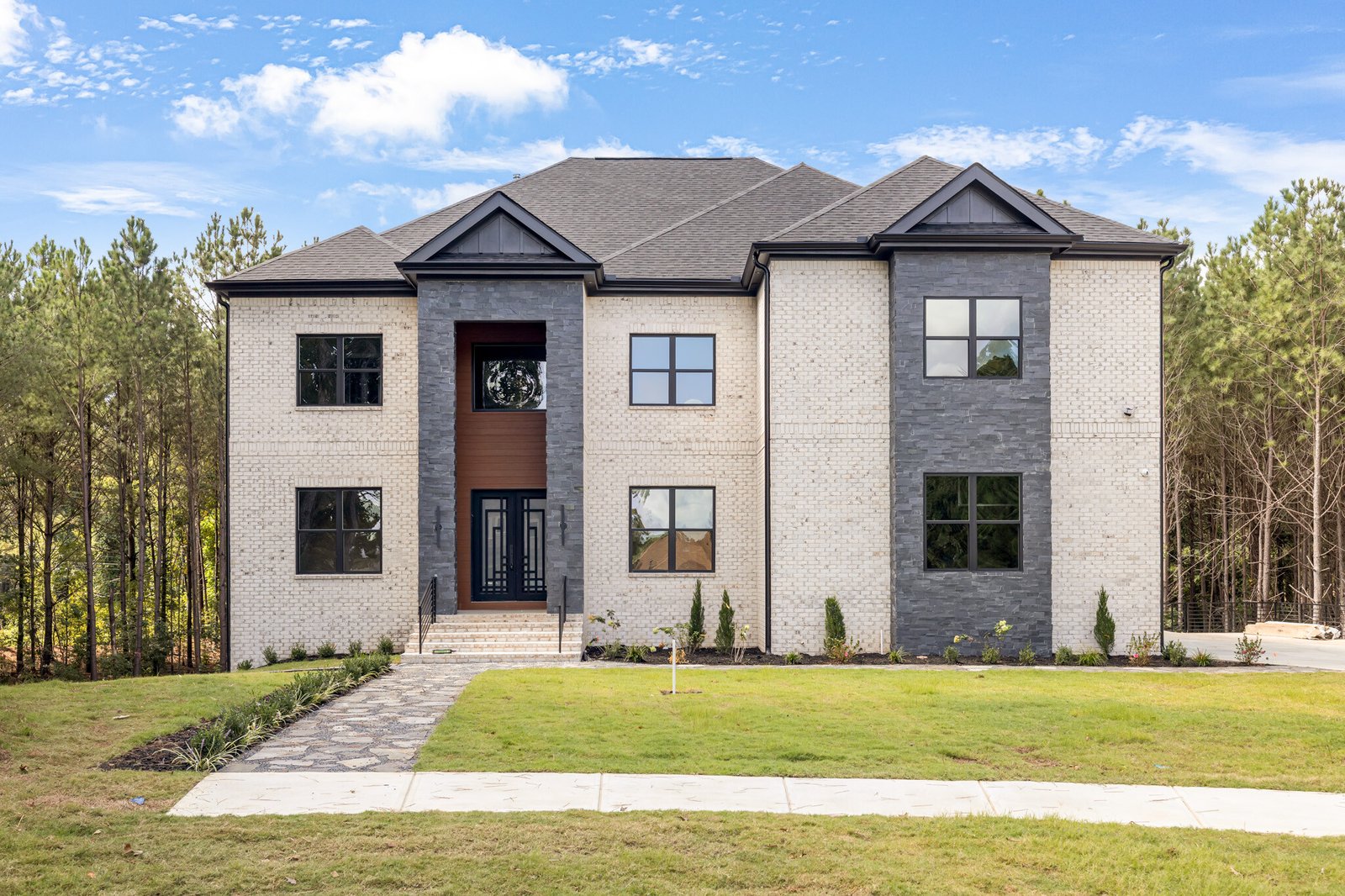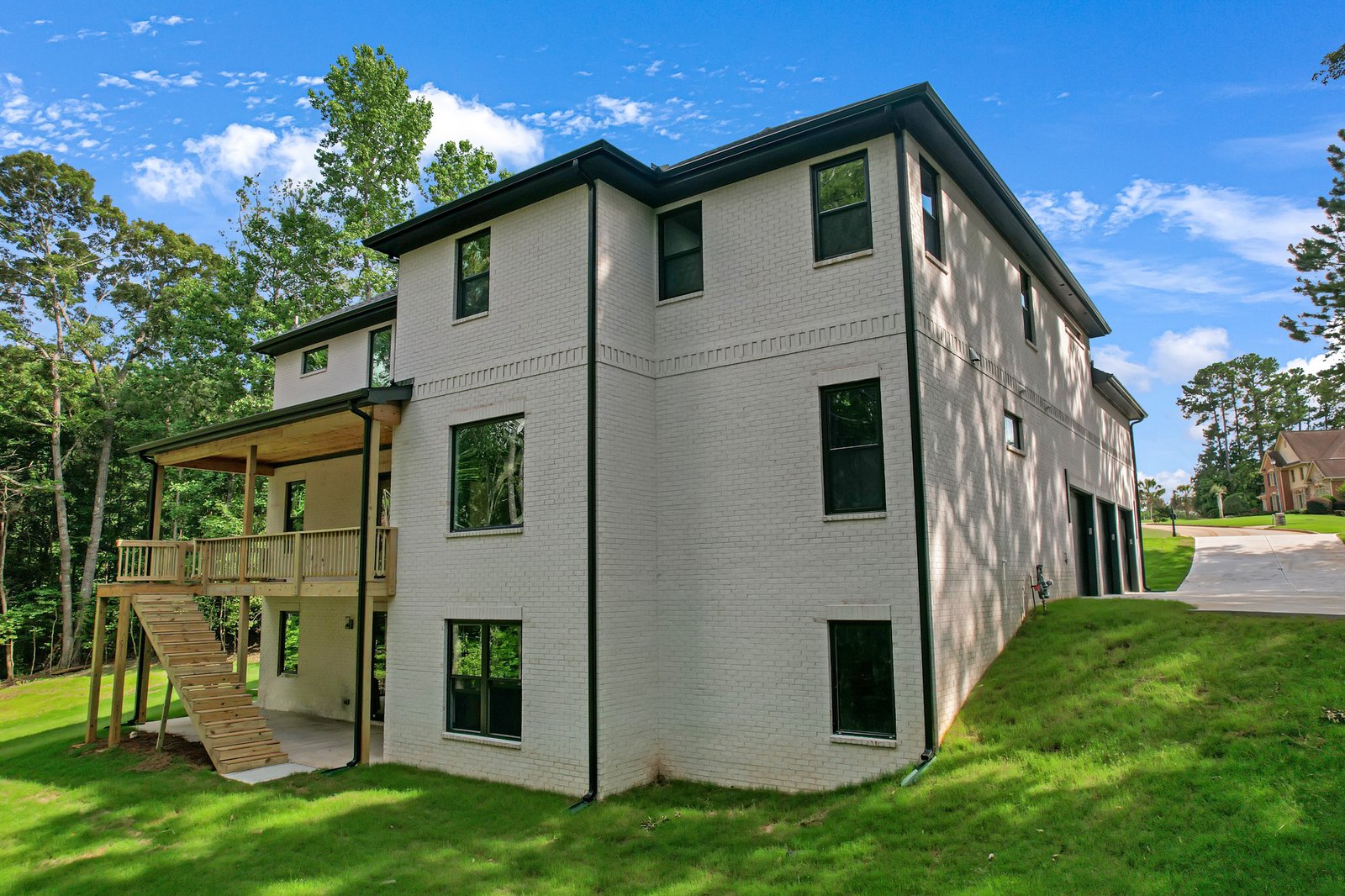

Preparing a home for sale means more than cleaning and staging. Smart sellers prioritize targeted repairs that remove buyer doubts and maximize offers. Not every issue needs a full renovation, but certain repairs consistently deliver value and reduce negotiation headaches. This guide lists the most important home repairs before selling your house and explains why they matter.
Start with a pre-listing inspection
A pre-listing inspection helps you identify issues that could derail a sale. Fixing problems before listing gives you control over repairs and prices, and it reduces the chance of low-ball offers or request-heavy negotiations after inspection.
High-impact repairs to prioritize
Roof and gutters
Why: Visible roof damage or clogged gutters often signal deferred maintenance. Buyers assume structural risk when they see roof problems.
What to do: Replace damaged shingles, clear gutters, and consider minor repairs if full replacement isn’t feasible. Provide documentation of any roof service.
Foundation and structural issues
Why: Structural concerns scare buyers and can complicate financing.
What to do: Address active leaks, large cracks, or drainage problems. Have a structural engineer assess major issues and provide repair documentation.
Electrical and plumbing safety fixes
Why: Faulty wiring or outdated panels pose safety and insurance problems. Leaks lead to mold and hidden damage.
What to do: Update old panels, replace malfunctioning outlets, fix leaks, and ensure plumbing fixtures operate correctly.
HVAC servicing and filters
Why: Buyers want reliable heating and cooling. A serviced system reassures them.
What to do: Service the HVAC, replace filters, and provide records. Consider replacing very old units if budget allows.
Windows and doors
Why: Drafty or damaged windows and doors suggest energy inefficiency and neglect.
What to do: Repair or replace broken panes, fix seals, and ensure doors close properly. Weatherstripping and new hardware often provide a strong cosmetic and functional boost.
Cosmetic but meaningful repairs
Why: Buyers judge condition quickly. Fixing visible defects reduces the perceived scope of future work.
What to do: Patch and paint walls in neutral colors, replace cracked tiles, fix cabinet doors, and update outdated fixtures. Small investments that create a clean, maintained look often pay off.
Kitchen and bathroom touch-ups
Why: These rooms influence buyers more than others. You can often get strong returns from modest updates.
What to do: Re-caulk tubs, replace worn grout, update faucets, and consider mid-range cabinet refacing if needed. Full gut renovations are rarely necessary before selling unless you’re in a high-end market.
Safety and compliance items
Why: Issues like handrail problems, missing smoke detectors, or lack of GFCI outlets can block deals or generate repair requests.
What to do: Install or repair essential safety items and check local code compliance for basics like stairs and railings.
Curb appeal and exterior maintenance
Why: First impressions start outside. Overgrown yards, damaged siding, and cracked walkways reduce offers.
What to do: Mow and landscape, power-wash siding, repair walkways, and paint or replace the front door if needed.
Minor but negotiable items to consider
- Replace burned-out bulbs and clean light fixtures.
- Tighten railings and door hardware.
- Replace outdated mailbox or house numbers.
- Deep-clean carpets or replace worn runners.
How much should you spend on repairs?
A common rule: spend enough to remove buyer objections and present a move-in-ready home, but avoid over-investing. Target repairs that cost less than the potential reduction in sale price or negotiation headaches. Use the pre-listing inspection to prioritize fixes that most influence offers.
FAQs about home repairs before selling your house
Should I do a full renovation before selling?
Usually no. Targeted repairs and cosmetic refreshes offer better return unless you’re in a luxury market where full renovations attract higher offers.
Do I need to disclose repairs?
Yes. Disclose known defects and provide documentation for completed repairs. Full disclosure avoids legal issues and builds buyer trust.
Will minor repairs speed up the sale?
Yes. Buyers prefer move-in-ready properties; handling small repairs reduces contingencies and expedites closings.
Which repairs have the best return on investment?
Minor kitchen and bathroom touch-ups, fresh paint, and improved curb appeal typically deliver strong returns.
Conclusion
Focusing on the right home repairs before selling your house reduces buyer objections, minimizes negotiation headaches, and increases the chance of a quick sale at a good price. Start with a pre-listing inspection, prioritize structural and safety items, and invest in visible but cost-effective updates. Presenting a well-maintained, move-in-ready home often yields the best overall return.